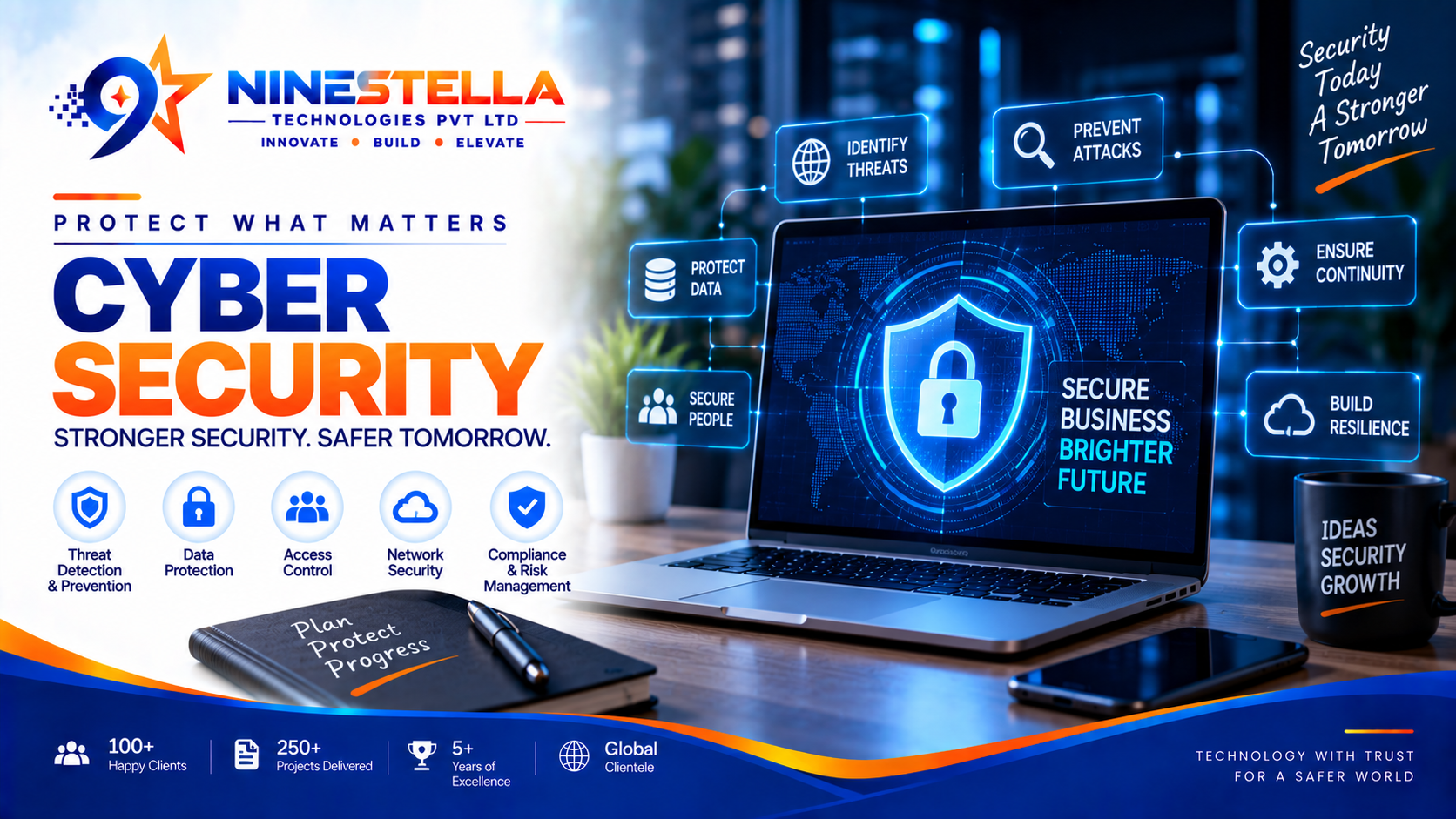
10 Essential Cybersecurity Practices Every Business Should Follow
Businesses increasingly depend on digital systems to store information and manage operations.
This makes cybersecurity an important part of business planning.
1. Use Strong Passwords
Employees should use unique and strong passwords for business accounts.
2. Enable Multi-Factor Authentication
Multi-factor authentication provides an additional layer of account security.
3. Keep Software Updated
Regular updates help address security vulnerabilities and improve system stability.
4. Maintain Regular Backups
Important business data should be backed up regularly.
5. Control User Access
Employees should only have access to the systems and information required for their roles.
6. Train Employees
Employees should understand common security threats such as phishing and suspicious attachments.
7. Secure Business Networks
Use appropriate network security controls to protect business systems.
8. Protect Customer Data
Businesses should implement appropriate measures to protect customer and company information.
9. Monitor Systems
Regular monitoring can help identify unusual activity.
10. Prepare an Incident Response Plan
Businesses should know what actions to take if a security incident occurs.
Conclusion
Cybersecurity should not be treated as a one-time project. It requires continuous monitoring, awareness and improvement.
Related Articles
 Why UI/UX Design Matters for Business Websites and Apps
 10 Ways Technology Can Improve Business Productivity
 How Cloud Technology Helps Businesses Reduce Costs and Scale Faster
 How to Build a Successful E-Commerce Website for Your Business
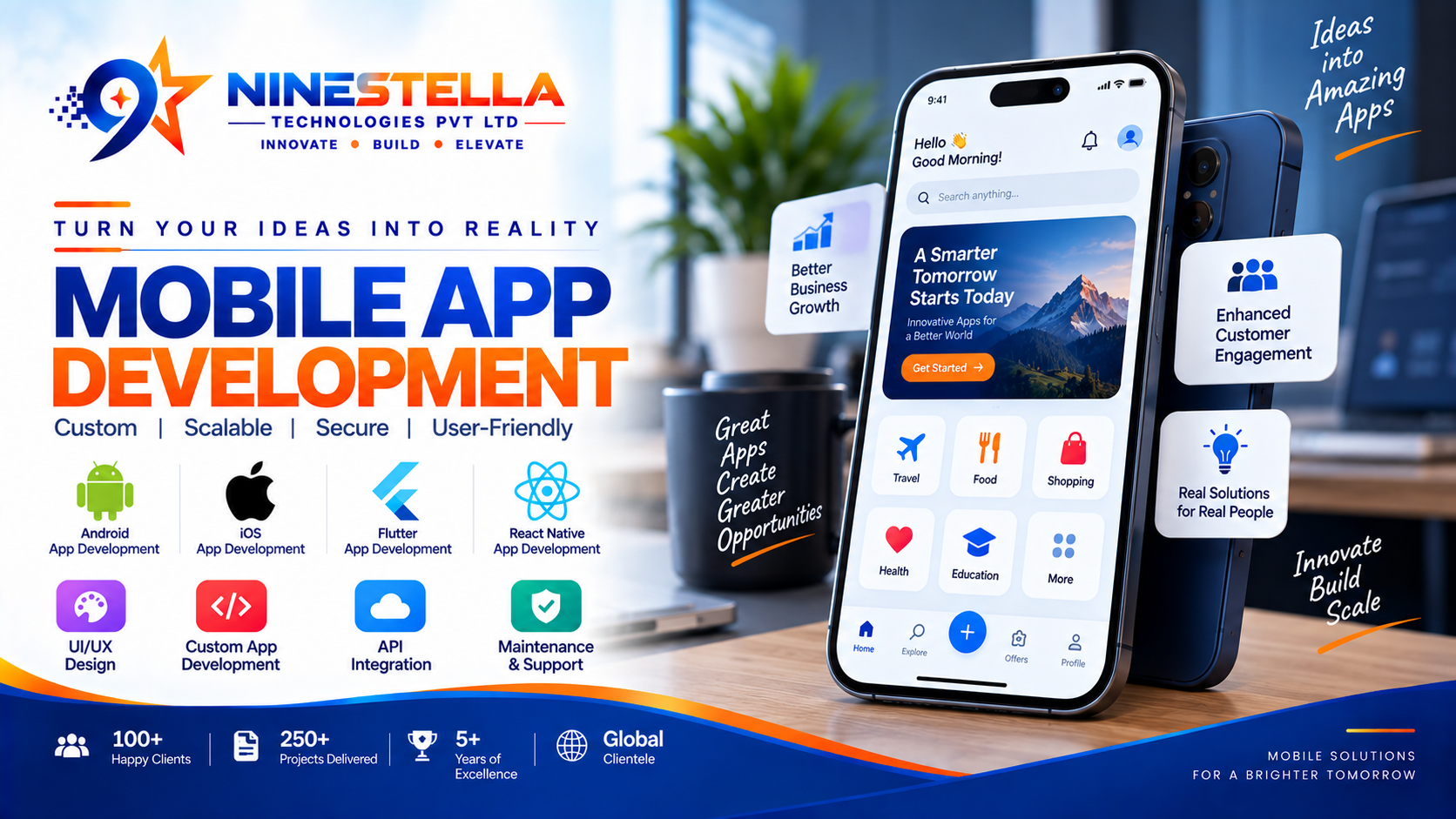 Why Businesses Should Invest in Mobile App Development
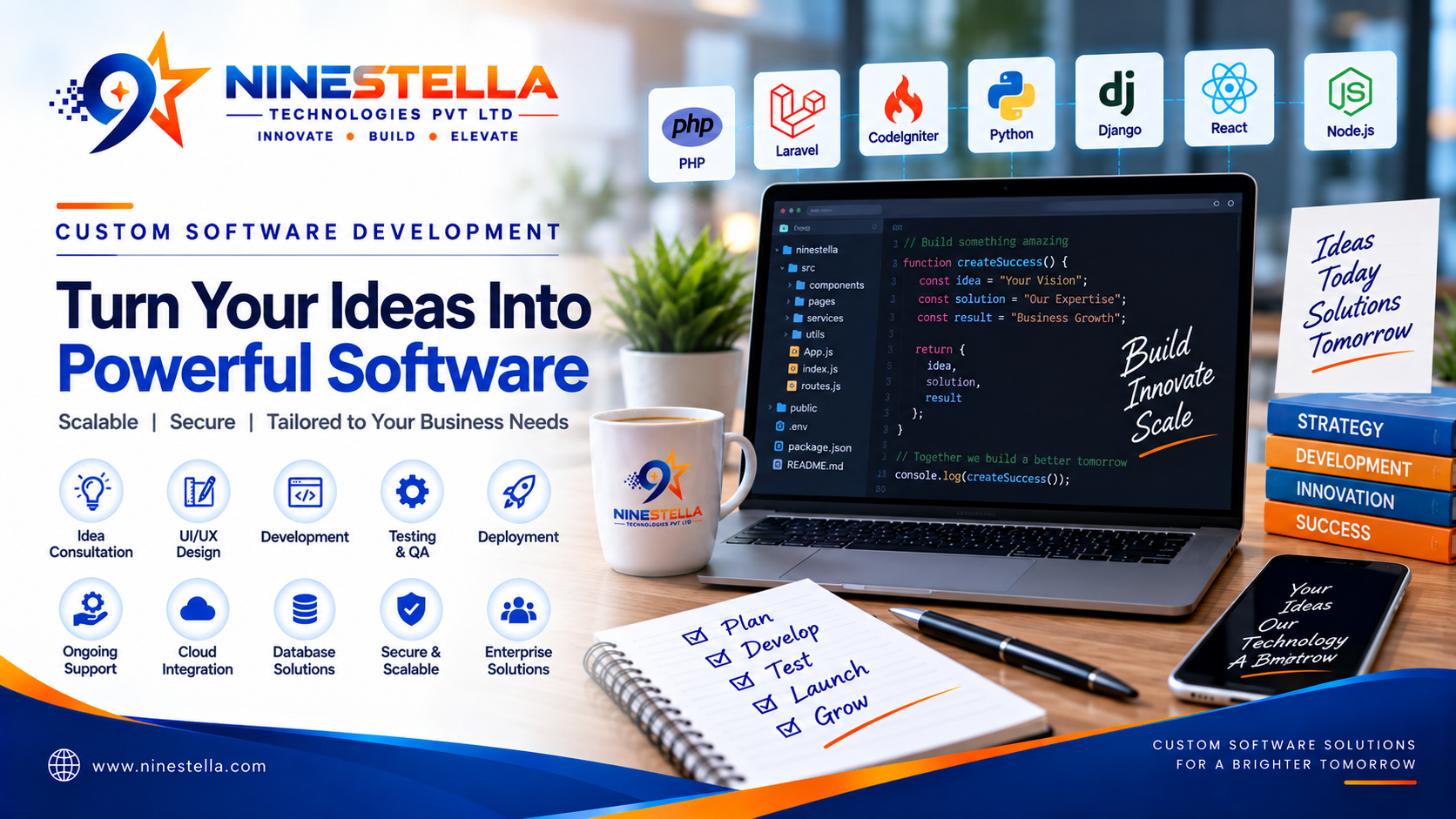 Custom Software vs Off-the-Shelf Software: Which Is Better?
 SEO Guide for Small Businesses: How to Get Found on Google
 How AI and Automation Can Transform Your Business in 2026
 Why Your Business Needs a Professional Website in 2026
 10 Digital Marketing Strategies to Grow Your Business in 2026
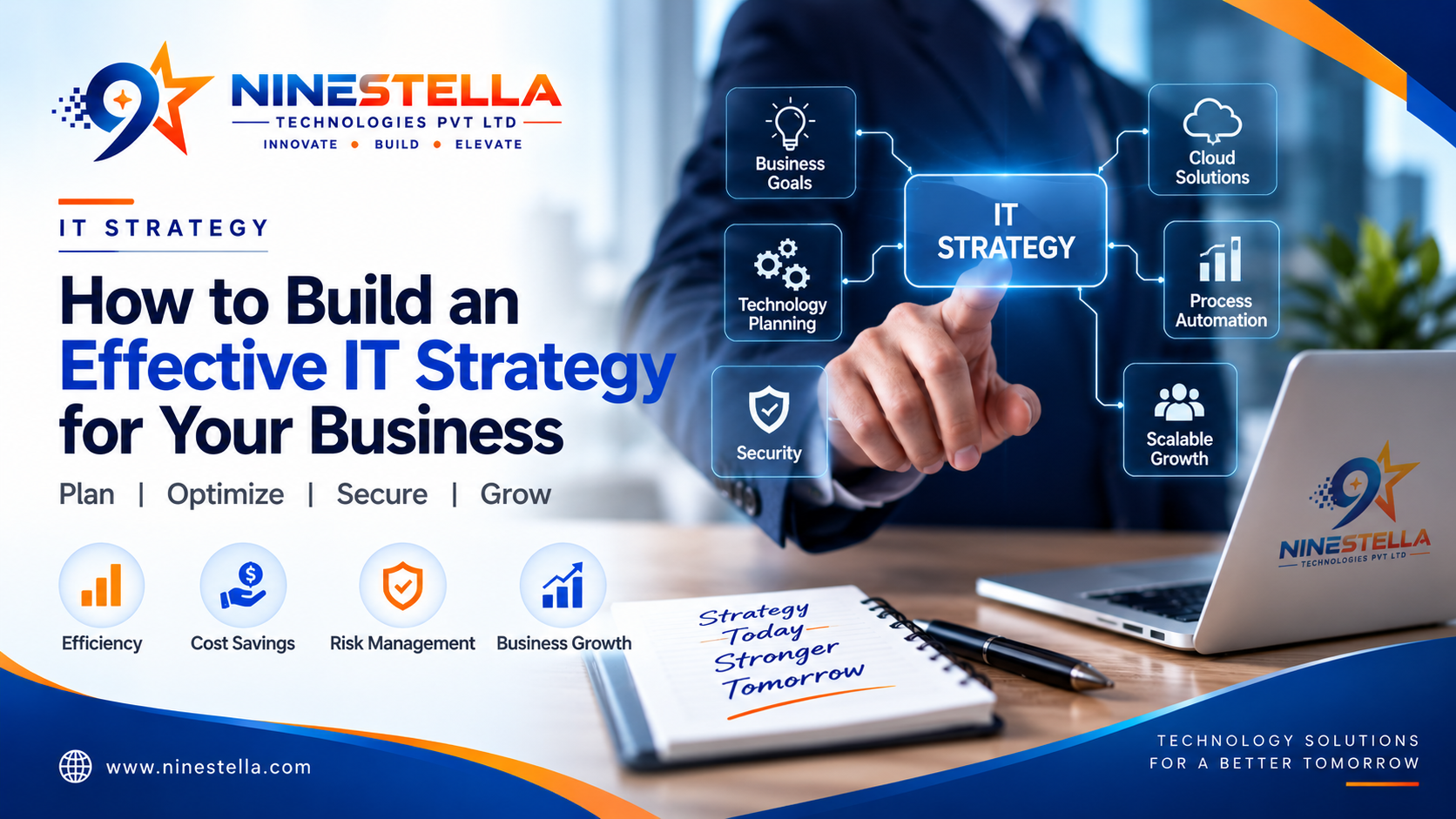 How to Build an Effective IT Strategy for Your Business